
Liquidation Specialists
South African Insolvency Leaders since 1968
Built on decades of integrity,
technical excellence, and results
Westrust has been in continuous insolvency practice since 1968. The current corporate entity was formed in 1993 following a restructuring; the practice, team continuity, and heritage are unbroken.
For over five decades, our practitioners have been entrusted with managing the liquidation of thousands of entities across every sector of the economy, from SMEs to publicly listed companies, in matters of significant complexity and sensitivity.
Our guiding principle is to use every statutory power available to us to:
- maximise returns for creditors;
- preserve employment where possible; and
- safeguard value for all stakeholders.
We achieve this through rigorous statutory compliance, transparent communication, and commercial pragmatism developed over decades of practice.
We are trusted partners of many of South Africa's leading law firms, banks, and financial institutions. Our practitioners serve on the panels of the Master of the High Court and the South African Revenue Service. We are proud members of INSOL International and the South African Restructuring and Insolvency Practitioners Association (SARIPA).
Creditor Focus
Every decision is measured against its impact on creditor returns. We pursue recoveries with commercial rigour and legal precision.
Transparency
Clear reporting, open communication, and full statutory compliance in every matter we administer.
Independence
We act without conflict, serving the interests of the estate and its stakeholders above all else.
Experience
Decades of practice across every industry sector, including some of the country's most complex and high-profile matters.


Full-spectrum insolvency, liquidation
and estate administration
From corporate liquidations to deceased estate administration, our practitioners bring specialist expertise to every engagement.
Corporate Liquidation
Voluntary and compulsory winding-up of companies and close corporations across all sectors, from SMEs to publicly listed entities. Comprehensive asset realisation, creditor management, and statutory compliance.
Distressed Company & Business Rescue Advisory
Strategic advisory to distressed companies, creditors, and stakeholders contemplating liquidation. Provision of strategic advice and referral to trusted Business Rescue Practitioners where liquidation can be avoided.
Post-Liquidation Trading
Managing ongoing business operations within liquidated entities to preserve going-concern value, maintain employment, and maximise creditor returns in commercially sensitive environments.
Sequestration & Personal Insolvency
Administration of insolvent estates of natural persons and partnerships under the Insolvency Act, including asset investigation, creditor claims assessment, and dividend distribution.
Deceased & Trust Estates
Administration of high-net-worth deceased estates, appointment as executor, and trusteeship of substantial family trusts. Complex multi-jurisdictional and cross-border estate planning implementation via our network of trusted specialist partners.
Pension Fund Liquidation
FSCA-approved liquidation of retirement funds under the Pension Funds Act. Specialist expertise in fund wind-up, surplus apportionment, and member benefit distribution.
Facing insolvency, distress, or a complex wind-up? Talk to us in confidence.
Principled process,
commercial outcomes
Every engagement follows a disciplined methodology refined over decades of practice, adapted to the specific demands of each matter.
Assessment
Comprehensive analysis of the entity's financial position, asset base, liabilities, and stakeholder landscape. Identification of risks, opportunities, and strategic options.
Stabilisation
Securing assets, establishing statutory compliance, and managing immediate stakeholder concerns. Where appropriate, implementing post-liquidation trading to preserve value.
Realisation
Methodical asset recovery and realisation through appropriate channels. Rigorous creditor claims assessment and adjudication. Investigation of voidable dispositions and recoverable preferences.
Distribution
Preparation and lodgement of liquidation and distribution accounts. Transparent dividend distribution to creditors in accordance with the statutory ranking framework.
Advanced AI, purpose-built
for insolvency practice
Westrust is at the forefront of integrating advanced artificial intelligence into the field of insolvency practice. Our proprietary AI-driven tools and in-house platforms are capable of analysing complex financial data, modelling insolvency scenarios and outcomes, outputting expert insolvency-specific forensic reports and providing deep legal research and analysis on all South African insolvency-related queries.
Our InsolORACLE platform is currently in closed beta testing with selected partners.
Forensic analytics
Deep analysis of complex financial data and transaction histories to detect voidable dispositions and recoverable preferences.
Scenario modelling
Modelling of insolvency scenarios and outcomes to inform creditor and stakeholder strategy from the earliest stage.
Legal research automation
Rapid, precise legal research and analysis on South African insolvency-related queries across statute and case law.
Expert forensic reports
Automated drafting of expert insolvency-specific forensic reports, reviewed and signed off by our practitioners.
Specialist practitioners
at the apex of the profession
Our diverse and highly skilled team of professionals combines legal, accounting, and commercial expertise with deep institutional knowledge of the South African insolvency landscape. Each practitioner brings specialist credentials and decades of frontline experience and all are supported by an experienced back-office team and modern case-management infrastructure.

Norman Klein
A legendary figure in South African insolvency with a distinguished career spanning several decades. Former partner at Fisher Hoffman Stride (now PKF), founding partner of Westrust and founder and CEO of Metrust. Former AIPSA National Committee member. Norman has overseen some of the most complex and high-profile liquidations in the country's history.
His expertise is sought after by major financial institutions, family offices, and private equity firms, where he has served as advisor, trustee, and executor. Norman chaired the AIPSA Taxation Sub-Committee for several years and has played an indispensable role in shaping the development of insolvency practice in South Africa.

Gavin Klein
An admitted Attorney of the High Court with combined legal and commercial qualifications, who served his Articles of Clerkship with Fluxmans Inc.. Since entering the field in 2005, Gavin has played a central role in many of South Africa's largest and most complex insolvency matters.
Appointed to the Master's liquidator panel in 2010, he has overseen the liquidation of hundreds of companies across a broad range of industries and led numerous post-liquidation trading operations. Formerly a Senior Insolvency Practitioner at Forvis Mazars and Director at Metrust.
Beyond insolvency, Gavin acts as executor in high-net-worth deceased estates, trustee to substantial family trusts, and strategic advisor to prominent commercial entities.
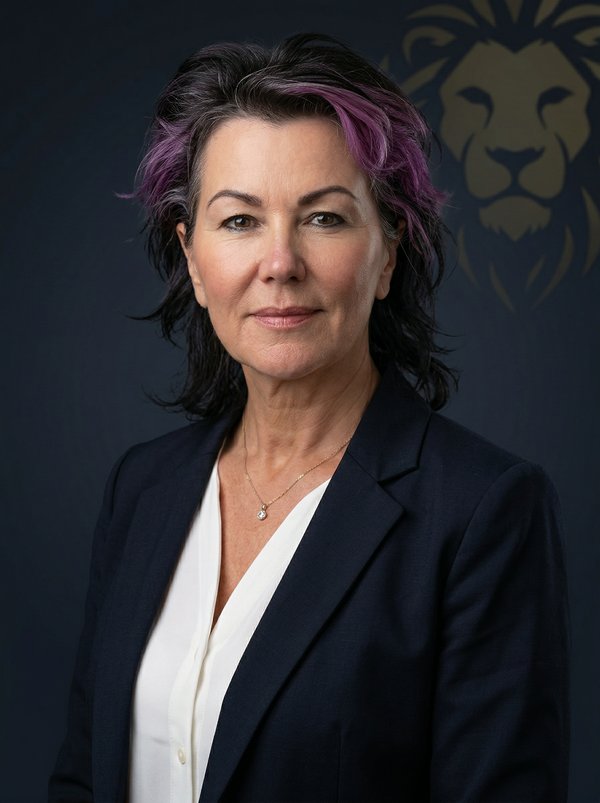
Monica Cowin
One of South Africa's most experienced insolvency practitioners with over four decades of experience at the most senior level of the industry.
Former SARS insolvency specialist. Former Secretary of SARIPA's Northern Region Committee, former Senior Insolvency Practitioner at Forvis Mazars and Progressive Administration, where she ran their Johannesburg operations.
Monica brings an unparalleled depth of experience to the practice and is an industry leading expert on the voluntary liquidation process where her services are retained by several multinational corporations and financial institutions.

Allan Pellow
Former Chairperson of both AIPSA and SARIPA. Independent Non-Executive Chairperson of Brikor Limited. Allan has managed some of the country's largest liquidations across a wide range of industries over several decades.
One of the most respected and influential insolvency practitioners in South African history, Allan has played a critical role as a senior executive at Westrust, Forvis Mazars and Progressive Administration in addition to being instrumental to the establishment and success of the professional standards bodies regulating the industry.
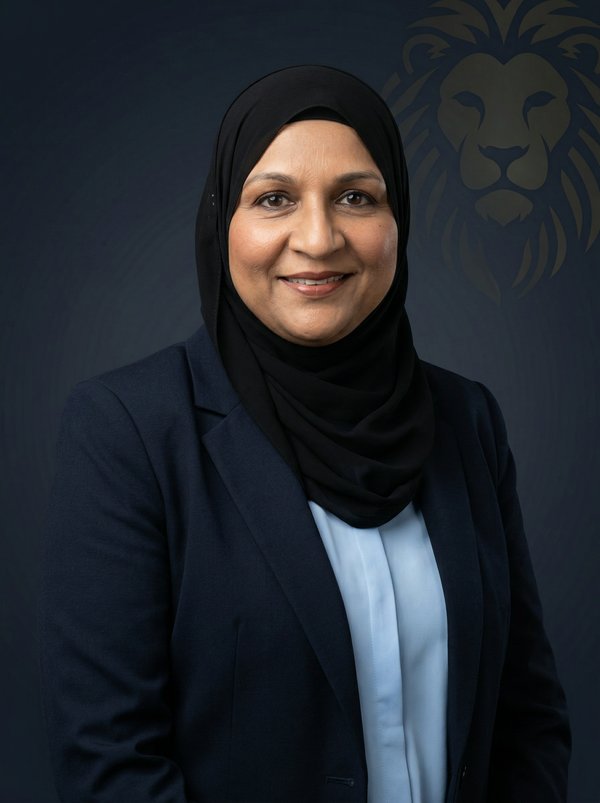
Safiyah Ebrahim Cook
An admitted attorney of the High Court of South Africa and partner at Van Zyl Ebrahim Cook Attorneys Incorporated, Safiyah specialises in insolvency law, commercial litigation, and complex debt recovery. With more than fifteen years’ post-admission experience, she has developed a strong practice in liquidations, creditor recoveries, and asset tracing.
Appointed to the National Panel of Liquidators in November 2015, Safiyah advises liquidators, trustees, and creditors on the legal and investigative processes associated with insolvency proceedings — including analysing financial records, tracing dissipated assets, and managing litigation arising from insolvent estates.
She holds an LLB (with Dean’s Commendation) from the University of KwaZulu-Natal and an LLM from the University of the Witwatersrand, and completed an insolvency course at the University of Pretoria cum laude in 2014. She joined Progressive Administration in February 2019 and moved to Westrust in 2025.
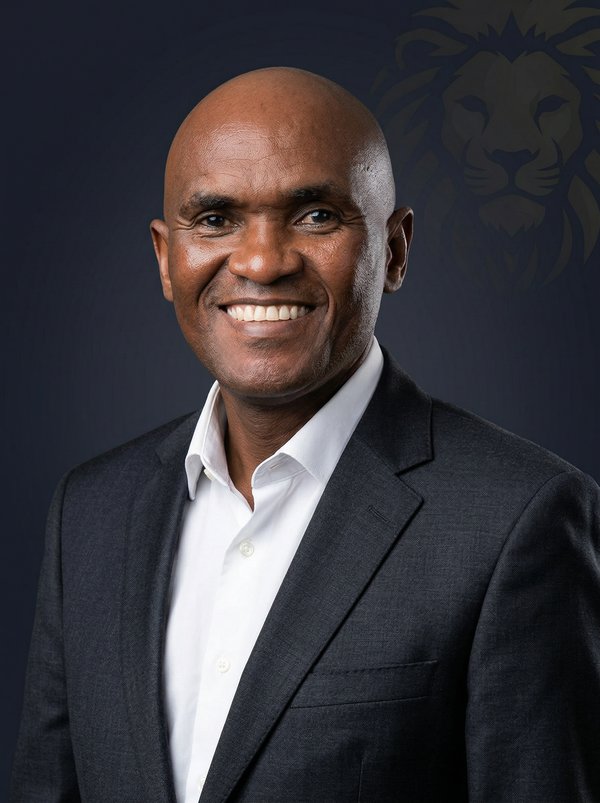
Ignatius Abraham Temane
A SARIPA practitioner with almost a decade of experience. Abe is an FSCA-approved liquidator of retirement funds under the Pension Funds Act, has served in local government and has vast experience in the insurance industry where he worked for over 25 years in roles at Old Mutual, Sanlam and as regional manager for Metropolitan.
Abe is a liquidator on the panel of the Master of the High Court and a Business Rescue Practitioner who established the insolvency division at Koikanyang Inc in Riviera and has established and led teams delivering client-focused solutions across a wide spectrum of insolvency services.
Frequently asked questions on
liquidation & insolvency
Concise answers to the initial questions most-often raised by creditors, directors, and legal professionals — drawn from decades of practice, not a knowledge base.
What is the liquidation process in South Africa?
Liquidation in South Africa is the legal process of winding up a company or close corporation, selling its assets, paying creditors, and ultimately dissolving the entity. The process is governed primarily by the Companies Act 71 of 2008 (for solvent companies) and the Companies Act 61 of 1973 (for insolvent companies), together with the Insolvency Act 24 of 1936.
There are two main types: voluntary liquidation, initiated by the company's shareholders or members through a special resolution, and compulsory liquidation, ordered by the High Court on application by creditors or other interested parties. In both cases, the Master of the High Court appoints a liquidator to administer the winding-up process. The liquidator's duties include securing and realising assets, adjudicating creditor claims, lodging liquidation and distribution (L&D) accounts, and distributing proceeds according to the statutory ranking of creditors.
The typical timeline ranges from six months to two years, depending on complexity and the nature of the assets involved. Westrust has managed over 10,000 matters across every sector of the South African economy and realised more than R15 billion in assets for creditors since 1968.
How does voluntary liquidation work for a solvent company?
A solvent company may be wound up voluntarily under Section 80 of the Companies Act 71 of 2008. The process begins with the shareholders passing a special resolution to liquidate the company. Before this resolution is adopted, the company must either lodge security with the Master of the High Court for payment of its debts within 12 months, or obtain the Master's consent to dispense with security (typically when the company has no debts).
The resolution is filed with the Companies and Intellectual Property Commission (CIPC), which delivers a copy to the Master. From the date of filing, the company must cease trading except as required for the beneficial winding-up. The directors' powers cease except to the extent authorised by the liquidator. The liquidator then proceeds to realise assets, settle liabilities, and distribute any surplus to shareholders.
Westrust's practitioners — particularly our director Monica Cowin, with over 44 years' experience — are recognised as leading specialists in the voluntary liquidation process, retained by several multinational corporations and financial institutions.
What is compulsory liquidation and when does it apply?
Compulsory liquidation (also called involuntary winding-up) occurs when a court orders the liquidation of a company on the application of a creditor, shareholder, or other interested party. The applicant must demonstrate that the company is unable to pay its debts — either by proving commercial insolvency (unable to meet debts as they fall due) or factual insolvency (liabilities exceed assets).
The court first grants a provisional liquidation order, which must be served on the company, its employees, SARS, known creditors, and any representative trade unions. The Master then appoints a provisional liquidator. On the return date, if the court is satisfied, a final liquidation order is granted and the final liquidator is appointed — often the same person as the provisional liquidator.
From the date of the final order, the company cannot continue business. The liquidator proceeds to investigate the company's affairs, realise assets, and distribute proceeds to creditors according to the statutory priority framework. Westrust regularly acts as provisional and final liquidator in compulsory winding-ups, including matters involving cross-border assets, ongoing litigation, and post-liquidation trading of going-concern operations.
What is the role of a liquidator in South Africa?
A liquidator is a qualified professional appointed by the Master of the High Court to administer the winding-up of a company or close corporation. The liquidator's core duties include:
- Securing and taking control of the entity's assets
- Investigating the company's affairs, including potential voidable dispositions and recoverable preferences
- Calling and presiding over meetings of creditors
- Adjudicating and ranking creditor claims
- Realising (selling) assets to generate proceeds for creditors
- Lodging liquidation and distribution (L&D) accounts with the Master
- Distributing dividends to creditors in accordance with the statutory ranking
- Acting as the representative taxpayer for the entity's tax affairs
Liquidators in South Africa must appear on the Master's National List of Insolvency Practitioners. Westrust's practitioners have served on the Master's panel for decades, with our most senior practitioners holding appointments since 1991.
What is sequestration and how does personal insolvency work?
Sequestration is the South African legal process for dealing with the insolvency of a natural person (individual), as opposed to the liquidation of a company. It is governed by the Insolvency Act 24 of 1936. When an individual cannot pay their debts, they (or their creditors) may apply to the High Court for a sequestration order.
Similar to company liquidation, a provisional sequestration order is granted first, followed by a final order. The Master appoints a trustee (equivalent to a liquidator for companies) who takes control of the individual's estate, investigates their financial affairs, realises assets, and distributes proceeds to creditors.
An important requirement is that sequestration must be to the advantage of creditors — meaning there must be sufficient assets to provide a meaningful dividend. This differs from corporate liquidation where no such requirement exists.
Our practitioners administer insolvent estates of natural persons and partnerships under the Insolvency Act, including asset investigation, creditor claims assessment, and dividend distribution. Where sequestration is not the right route, we advise creditors and debtors on alternatives including administration orders and voluntary compromises.
What is the difference between liquidation and business rescue?
Liquidation and business rescue are distinct legal processes under South African law, designed for different circumstances:
Liquidation is a terminal process — the company is wound up, its assets are sold, and the entity ceases to exist. It is appropriate when the company has no realistic prospect of recovery.
Business rescue, introduced by Chapter 6 of the Companies Act 71 of 2008, is a rehabilitation process designed to restructure the affairs of a financially distressed company so that it can continue to exist on a solvent basis. A business rescue practitioner (BRP) is appointed to develop a rescue plan, which must be approved by creditors.
At Westrust, we provide strategic advisory to distressed companies and their stakeholders on whether liquidation or business rescue is the appropriate course of action. Where business rescue is viable, we refer clients to trusted Business Rescue Practitioners in our professional network.
How are creditors paid in a liquidation?
In a South African liquidation, creditors are paid according to a strict statutory ranking established by the Insolvency Act:
- Secured creditors — creditors holding security over specific assets (e.g., a mortgage bond or cession of book debts) are paid first from the proceeds of those specific assets.
- Costs of liquidation — the liquidator's fees and costs of administering the estate rank next.
- Preferent creditors — including SARS for certain tax claims and employees for unpaid wages (up to a statutory cap).
- Concurrent (unsecured) creditors — all remaining creditors share pro rata in whatever funds remain.
The liquidator prepares a liquidation and distribution (L&D) account setting out the assets realised, costs incurred, and proposed distribution. This account lies open for inspection for at least 14 days, during which creditors may object. Once confirmed by the Master, the liquidator distributes the available funds. Our team lodges L&D accounts across every ranking scenario — from encumbered-asset waterfalls to purely concurrent estates — and defends the ranking on objection where required.
How long does the liquidation process take in South Africa?
The duration of a liquidation depends on the complexity of the matter, the nature and location of assets, and whether there are disputes or litigation. As a general guide:
- Simple voluntary liquidations (solvent companies with few assets and no disputes) can be completed within 6 to 12 months.
- Standard liquidations with moderate asset bases typically take 12 to 24 months.
- Complex liquidations involving ongoing litigation, disputed claims, properties, or cross-border assets can take several years.
The liquidator is required to lodge a first L&D account within six months of appointment. If the winding-up is not complete, supplementary accounts are lodged every six months until finalisation. Our practitioners maintain a disciplined lodgement cadence and communicate progress transparently to creditors throughout the process.
How do I check if a South African company is in liquidation?
To confirm whether a South African company or close corporation is in liquidation, you can use the following official sources:
- CIPC (Companies and Intellectual Property Commission) — The CIPC's disclosure service and enterprise enquiry function will show the entity's current status ("In Liquidation", "In Business Rescue", "Final Liquidation", "Deregistered", etc.) once a resolution or court order has been registered.
- The Master of the High Court — The Master maintains the register of insolvent estates and appointed liquidators. The relevant Master's Office (typically where the company's registered address falls) can confirm whether a liquidator has been appointed and provide the file reference.
- Government Gazette — Liquidation orders, provisional and final, and meetings of creditors are published in the Government Gazette. The Gazette is searchable online and is the authoritative public notice.
- Court records — Compulsory liquidation applications and orders are lodged with the High Court in whose jurisdiction the company was registered.
If you are a creditor, a supplier, or a counterparty and you need help interpreting the status or acting on it (lodging a claim, attending a meeting of creditors, or reviewing an L&D account), contact us — we routinely assist stakeholders in identifying the correct liquidator and steps to take.
What does a liquidation cost, and who pays for it?
The cost of a liquidation is drawn from the estate itself, not from any single creditor or director personally. Costs are paid in priority to preferent and concurrent creditor dividends, but after secured creditors have been paid from the proceeds of their specifically encumbered assets.
Costs typically include:
- Liquidator's remuneration — prescribed by the tariff issued under the Insolvency Act and the Companies Act, generally calculated as a percentage of assets realised, subject to the Master's taxation.
- Master's fees and Government Gazette publications.
- Legal costs where litigation, applications, or interpretations of the Acts are required.
- Administrative costs such as security bond premiums, auctioneer fees, valuation fees, and storage where applicable.
For a solvent voluntary liquidation with a simple asset base, total costs are often modest and predictable. For complex insolvent estates involving litigation, cross-border assets, or trading, costs scale accordingly and are always subject to the Master's oversight.
Westrust provides a clear, written cost outlook at the outset of every engagement. If you would like an indicative estimate for a specific matter, please contact us in confidence.
Every matter is different. Get a considered answer from a practitioner.
Talk to us
Whether you are a creditor, legal practitioner, financial institution, or director facing distress, we are available to discuss your matter in confidence.
Norwood, Johannesburg
South Africa
08:30 – 17:00 (SAST)
Closed on public holidays
Thank you — your enquiry is with us.
A Westrust practitioner will review your message and respond directly. All communications remain in confidence.